Deli Container Sizes for Meal Prep: 8, 12, 16, 24 and 32 oz

For meal prep, 8 oz deli containers are the right size for sauces, dressings and snacks, 12 oz for breakfasts and side portions, 16 oz for a single serving of soup or grains, 24 oz for a full lunch, and 32 oz for batch cooking and freezing. A simple way to remember it: 8 oz is 1 cup, 16 oz is a pint, and 32 oz is a quart. Here is how to use each size and how to build a mixed set that fits the way you cook.
Deli container sizes at a glance
| Size | Volume | Good for |
|---|---|---|
| 8 oz | 1 cup (half pint) | Dressings, sauces, dips, nuts, overnight oats toppings |
| 12 oz | 1.5 cups | Yogurt parfaits, oatmeal, cut fruit, side dishes |
| 16 oz | 2 cups (1 pint) | Single portion of soup, chili, rice, beans or grain bowls |
| 24 oz | 3 cups | Full lunch salads, pasta, noodle dishes |
| 32 oz | 4 cups (1 quart) | Batch soup and stock, freezing family portions, pantry storage |
Ounces on deli containers are fluid ounces, a measure of volume. A container labeled 16 oz holds 2 cups of liquid, but how much food that is depends on the food. A pint of soup and a pint of leafy salad are very different meals.
8 oz: sauces, dressings and snacks
The smallest size keeps wet ingredients away from the rest of your meal, which is the secret to a salad that is still crisp at noon. Pack dressing, salsa, hummus, peanut sauce or yogurt dip separately and add it right before eating.
- Salad dressing or vinaigrette for the week
- A portion of nuts, trail mix or crackers
- Chopped herbs, pickled onions or grated cheese
- Toppings for overnight oats or yogurt
Shop the 8 oz deli containers with lids.
12 oz: breakfasts and sides
At 1.5 cups, the 12 oz size handles a single breakfast or a side without leaving a lot of empty space. Less air in the container means fewer spills in your bag and less room for food to dry out.
- Overnight oats or chia pudding
- Yogurt with granola packed on top
- Cut fruit or a small green salad
- A side of roasted vegetables or mashed potatoes
Shop the 12 oz deli containers with lids.
16 oz: the single-serving workhorse
The pint is the size most people reach for first. Two cups is a satisfying single serving of soup, stew or chili, and a good portion of cooked rice, quinoa or beans to pair with a protein through the week.
- One serving of soup, chili or curry
- Cooked grains for grain bowls
- Prepped vegetables like diced onion, peppers or carrot sticks
- A protein portion such as shredded chicken or baked tofu
Shop the 16 oz deli containers with lids.
24 oz: full lunches
When you want the whole meal in one container, 24 oz gives you 3 cups of room. That is enough for a big salad with toppings, a pasta salad, or noodles with vegetables and protein. Pair it with an 8 oz container for the dressing or sauce.
- Large salads with grains, protein and vegetables
- Pasta or noodle dishes
- Burrito bowls
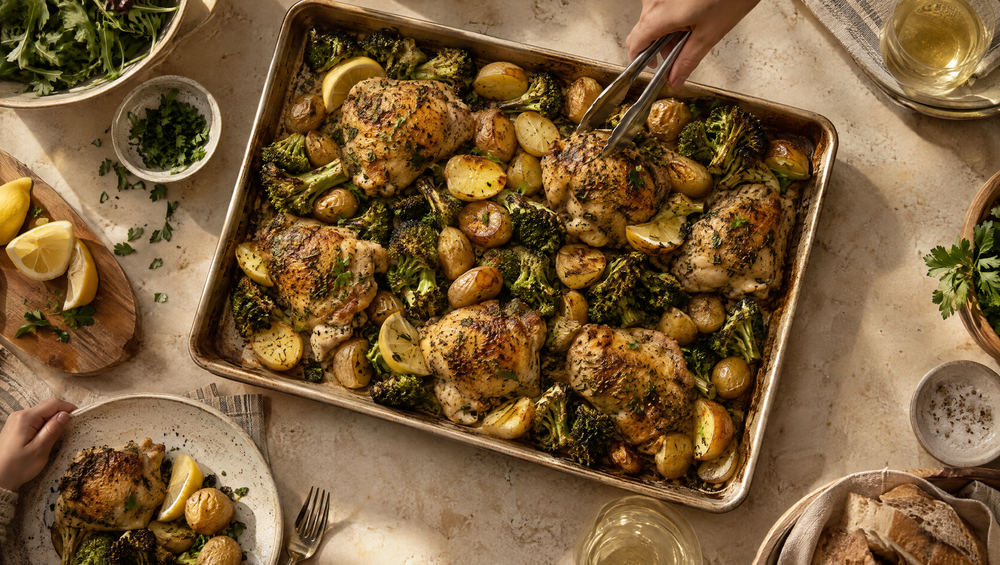
- Leftovers from a sheet-pan dinner
Shop the 24 oz deli containers with lids.
32 oz: batch cooking and freezing
The quart is the size for cooking once and eating several times. A pot of soup or stock portions neatly into quarts for the freezer, and the size is also handy for storing dry goods like rice, oats or flour.
- Batch soup, stock or bone broth
- Family-size portions of chili or pasta sauce
- Marinating chicken or tofu
- Pantry staples such as rice, lentils or oats
The 32 oz Deli Containers with Lids, 24-Pack are food-grade, BPA-free polypropylene with snap-on, leak-proof lids, and they are listed as dishwasher, microwave and freezer safe.
How many of each size do you need?
It depends on how you prep. Here are three starting points:
- Lunch prep for one, five days: five 24 oz for mains, five 8 oz for dressings and sauces, and a few 12 oz for snacks or breakfast.
- Component prep (cook ingredients, assemble meals daily): several 16 oz for grains and proteins, 8 oz for sauces, and 32 oz for washed greens or a big batch of roasted vegetables.
- Freezer cooking: mostly 32 oz for family portions and 16 oz for single servings you can grab and reheat.
If you are not sure yet, a mixed pack lets you try sizes before buying more. The 32/16/8 oz combo deli containers cover the quart, pint and cup sizes in one order.
Meal prep food safety basics
Good containers help, but timing and temperature keep prepped food safe. These guidelines come from FoodSafety.gov:
- Refrigerate within 2 hours of cooking, or within 1 hour if the food has been somewhere above 90°F, like a hot car.
- Eat refrigerated leftovers within 3 to 4 days. If your prep covers more days than that, freeze the later portions.
- Keep your refrigerator at 40°F or below and your freezer at 0°F.
- Reheat leftovers to 165°F, checked with a food thermometer.
- Divide big batches into smaller, shallow portions so they cool quickly in the fridge.
Tips for freezing and reheating in deli containers
- Leave headspace. Liquids expand as they freeze. Leave about an inch at the top of soups and stocks so the lid stays on.
- Label everything. Write the contents and date on a piece of masking tape. Frozen soups look alike.
- Thaw in the fridge. Move tomorrow's portion from the freezer to the fridge the night before.
- Vent the lid when microwaving. Loosen or remove the lid so steam can escape, and stir halfway through for even heating.
- Check each product's listing. All five Bakken deli container sizes are listed as dishwasher, microwave and freezer safe, but follow the care details on whatever containers you use.
Quick answers
What size deli container should I use for soup?
A 16 oz container holds a single 2-cup serving, and a 32 oz container holds a quart for sharing or freezing. Leave about an inch of headspace if you plan to freeze it.
How many cups is a 32 oz deli container?
A 32 oz deli container holds 4 cups, or 1 quart. A 16 oz holds 2 cups and an 8 oz holds 1 cup.
What size container should I use for meal prep lunches?
A 24 oz container fits a full lunch such as a big salad or a pasta dish. Pair it with an 8 oz container for sauce or dressing.
How long does meal prep last in the fridge?
FoodSafety.gov recommends eating refrigerated leftovers within 3 to 4 days. Freeze any portions you will not eat in that window.