How to Cook With Less Oil (Without Losing Flavor)

Cooking with less oil isn't about giving up flavor. Oil does a few specific jobs in a pan: it keeps food from sticking, it carries heat, and it helps food brown. Once you know which job you need done, you can usually get there with a lot less of it.
Here are the techniques we lean on most at home.
1. Let a good nonstick surface do the work
A healthy nonstick or ceramic pan is the simplest way to use less oil. Eggs, pancakes, fish and crepes release with just a thin film of fat, or a quick wipe with a paper towel.
A few things keep that surface working for you:
- Use medium heat. Nonstick coatings aren't meant for blazing-hot searing, and high heat wears them faster.
- Add a little fat before the pan gets hot. Don't heat a coated pan empty. A teaspoon of oil or butter added as the pan warms is plenty.
- Size the pan to the job. One egg in a 12-inch skillet means more surface to grease. A small egg pan uses a fraction of the oil for a single serving.
2. Preheat properly
Food sticks most when it hits a pan that isn't ready. In stainless or cast iron, give the pan a few minutes over medium heat before anything goes in. Then add a small amount of oil, swirl it, and add your food.
With nonstick, preheating is gentler: warm the pan over medium-low to medium with a little fat already in it. Either way, patience at the start means you won't need to keep adding oil to unstick things later.
3. Roast instead of fry
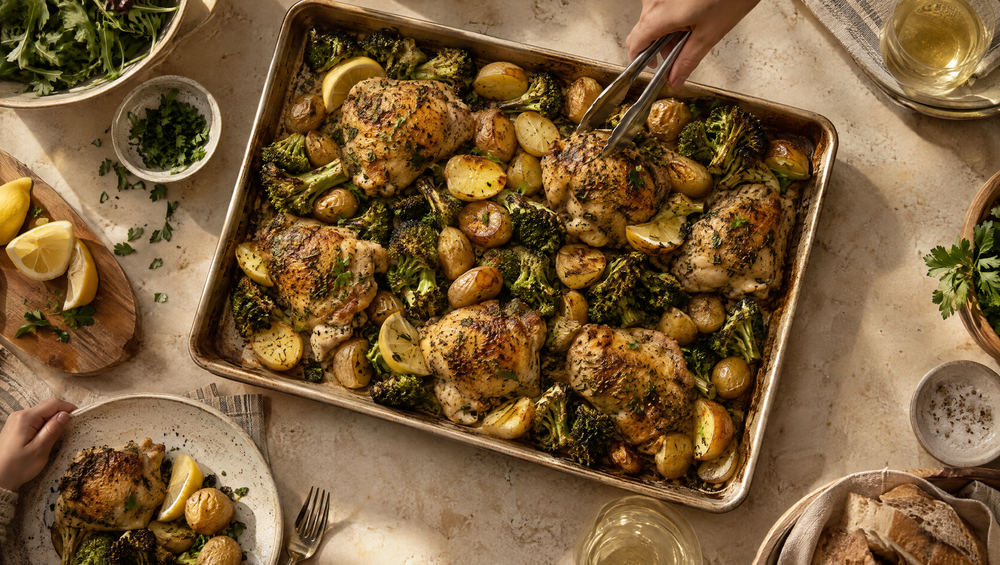
The oven is the best friend of anyone trying to use less oil. Hot, dry air browns vegetables and proteins beautifully with only a light coating.
- Toss, don't drizzle. Put vegetables in a bowl with a teaspoon or two of oil and toss with your hands. Every piece gets coated evenly, which a drizzle over the pan never manages.
- Go hot. 400°F to 425°F gives you caramelized edges.
- Leave space. Crowded pans steam. Spread food in a single layer with a little room around each piece.
- Use a rack for fatty foods. Bacon, chicken wings and meatballs cooked on a rack set over a tray let the fat drip away instead of pooling around the food.
4. Steam and water-sauté
Not every vegetable needs to be browned to be delicious. Steaming keeps green vegetables bright and tender, and it needs no oil at all. Finish with a squeeze of lemon, a pinch of flaky salt or a small pat of good butter at the table, where you'll actually taste it.
Water-sautéing is the other trick. Start onions, garlic or mushrooms in a few tablespoons of water or broth instead of oil. Stir as the liquid evaporates and add another splash if things start to catch. You'll get soft, sweet aromatics, and you can add a small amount of oil at the end if you want some browning.
5. Sear in cast iron
A well-seasoned cast-iron skillet or griddle holds heat so well that you need very little oil for a proper crust.
- Pat protein dry. Moisture is the enemy of browning. A dry surface sears; a wet one steams.
- Use a thin film. Brush or wipe on just enough oil to coat the surface.
- Don't move it. Let the food sit until it releases on its own. If it's sticking, it usually isn't ready to flip.
Over time, every meal you cook adds to the seasoning, and the pan gets more naturally slick.
6. Measure, mist or brush
Free-pouring from the bottle is where extra oil sneaks in. A few easy fixes:
- Measure it. Pour into a teaspoon or tablespoon first. It's eye-opening how small a teaspoon looks in a pan, and how well it works.
- Use a refillable oil mister. Fill it with the oil you already like and spritz a fine, even layer over pans or vegetables.
- Skip aerosol cooking sprays on nonstick. Many cookware makers advise against them because they can leave a sticky residue that builds up on the coating over time.
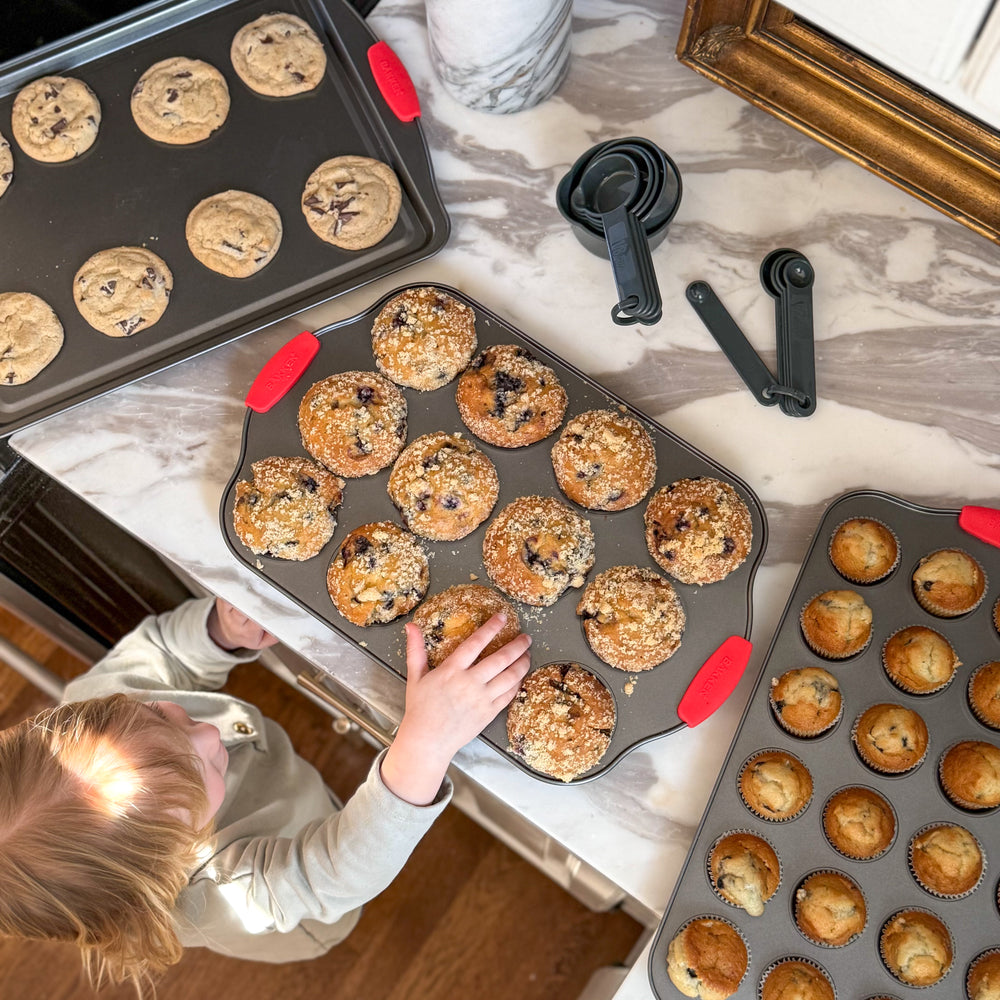
- Keep a pastry brush handy. It's perfect for coating a griddle or the cups of a muffin pan without excess.
Where the flavor comes from instead
When you pull back on fat, lean on other sources of flavor:
- Browning. Roasting, searing and griddling create deep, savory flavor all on their own.
- Acid. Lemon, lime and vinegar wake up almost any dish.
- Aromatics. Garlic, shallots, ginger and scallions add a lot for very little.
- Toasted spices. Warm cumin, coriander or fennel seed in a dry pan for a minute before using.
- Fresh herbs. Add tender ones like basil, cilantro and parsley at the very end.
- Umami. A little soy sauce, miso, parmesan or tomato paste adds depth without much fat.
A note on balance
Less oil doesn't mean no oil. A spoonful of good olive oil over a finished dish, or a little butter on steamed vegetables, can be the thing that makes your family ask for seconds. The goal is to use fat on purpose: where you'll taste it, rather than where it's just making up for a pan that wasn't ready.
With the right pan and a few habits, it becomes second nature.